
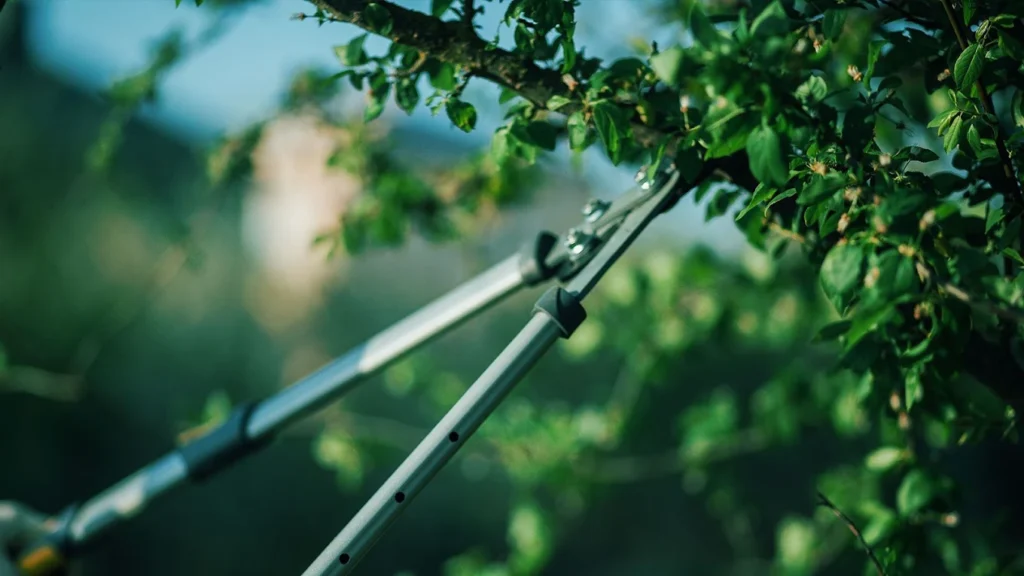
Healthy trees need the right care at the right time, and tree trimming in Cape Girardeau, MO can make a major difference in their safety, appearance, and long-term health. Trimming too early, too late, or too aggressively can place unnecessary stress on certain trees. The ideal timing often depends on the tree species, its condition, and the reason it needs attention.
For homeowners and property managers in Cape Girardeau, understanding seasonal tree care can help prevent weak limbs, improve healthy growth, and reduce potential hazards around buildings and outdoor spaces. Martin Outdoors LLC provides professional tree care for residential and commercial properties throughout the area.
What Time of Year Is Best for Tree Trimming in Cape Girardeau?
For many deciduous trees, the best time to trim trees is during the dormant season, especially in late winter before new spring growth begins. In Missouri, February and March are often favorable months for major pruning because trees are generally still dormant.
Dormant-season trimming also makes it easier to see a tree’s branch structure because leaves are absent. This helps professionals identify damaged, crossing, weak, or poorly positioned limbs.
However, seasonal timing is not the only consideration. Dead, broken, hanging, or storm-damaged branches may need immediate removal regardless of the month. Safety should always come before waiting for the perfect pruning season.
Why Does the Timing of Tree Trimming Matter?
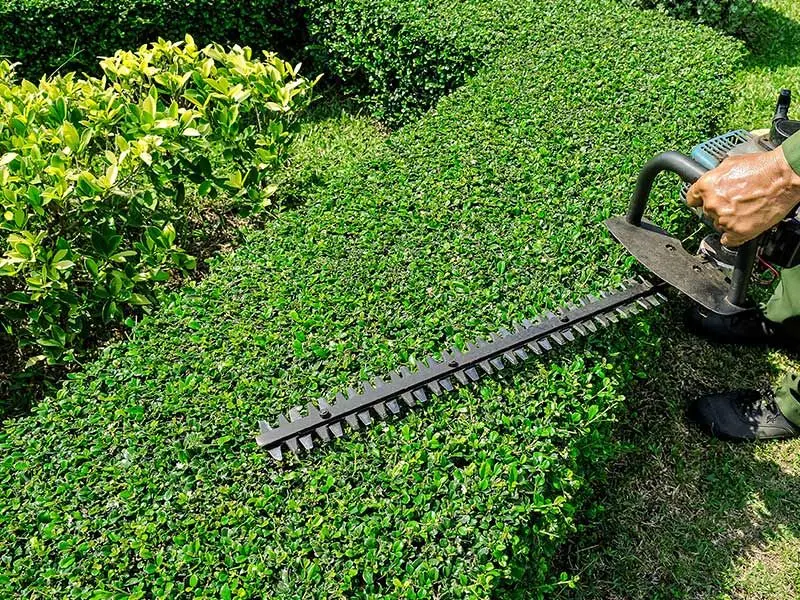
Proper tree trimming is not simply about making a tree look neat. Correct timing can support healthy growth while reducing unnecessary stress on the tree.
Professional trimming may help:
- Remove dead, diseased, or damaged branches
- Reduce the risk of falling limbs
- Improve airflow through the canopy
- Allow more sunlight to reach healthy branches
- Improve the tree’s overall structure
- Keep branches away from buildings or other hazards
- Maintain a more attractive landscape
Poorly timed or excessive trimming can have the opposite effect. Removing too much healthy growth at once may weaken a tree and interfere with its natural development.
That is why a professional assessment can be helpful before significant pruning begins.
What Is the Best Season for Tree Trimming in Cape Girardeau?
Each season creates different conditions for trees. Understanding those differences can help you determine when pruning is appropriate.
Winter: Often the Best Time for Major Tree Trimming
Late winter is generally one of the best times for substantial pruning of many Missouri trees.
During dormancy, trees are not actively producing large amounts of new growth. Their structure is also easier to evaluate without dense foliage covering the branches.
Winter tree trimming can help remove weak or poorly structured branches before spring growth starts. It is especially useful when structural pruning is needed to improve a tree’s long-term shape and stability.
Spring: Timing Depends on the Tree
Spring pruning requires more consideration because many trees are actively growing or preparing to flower.
Some trees can be trimmed during early spring without problems. However, trees that bloom in spring may already have flower buds developing on their branches. Heavy pruning before flowering could remove those buds and reduce blooms.
For spring-flowering trees, pruning after flowering is sometimes the better option.
Summer: Best for Selective or Corrective Trimming
Summer trimming can be useful when a tree develops specific problems during the growing season.
For example, property owners may need to remove:
- Storm-damaged branches
- Broken limbs
- Dead branches
- Branches blocking visibility
- Limbs creating immediate hazards
Heavy pruning is generally unnecessary during summer unless there is a particular reason. Selective trimming is usually more appropriate.
Fall: Avoid Heavy Pruning in Many Cases
Fall often seems like a convenient time to trim trees because homeowners are already cleaning their yards. However, it is not always the best season for major pruning.
Trees are preparing for winter dormancy during this period. Heavy pruning may interfere with that natural transition. For many trees, waiting until the dormant winter months is a better approach unless damaged or dangerous branches require attention.
Does the Best Trimming Time Change by Tree Type?
Yes. There is no single pruning schedule that works perfectly for every tree.
Deciduous and Shade Trees
Many common deciduous and shade trees respond well to dormant-season pruning. Without leaves covering the canopy, professionals can more easily inspect the tree’s structure and identify problem branches.
Late winter is often ideal for structural work before spring growth begins.
Flowering Trees
Flowering trees require different timing depending on when they bloom.
Trees that flower early in spring may have already formed their flower buds before winter ends. Trimming them too early could remove those buds. Pruning shortly after flowering can help maintain their appearance without sacrificing the season’s blooms.
Oak Trees
Oak tree pruning deserves special attention in Missouri because of the risk of oak wilt, a serious disease affecting oak species.
When possible, oak pruning is generally safer during winter dormancy. Avoiding unnecessary pruning during higher-risk periods can help protect valuable oak trees.
A professional tree pruning service can evaluate the tree and recommend appropriate timing based on its species and condition.
When Should You Trim a Tree Immediately?
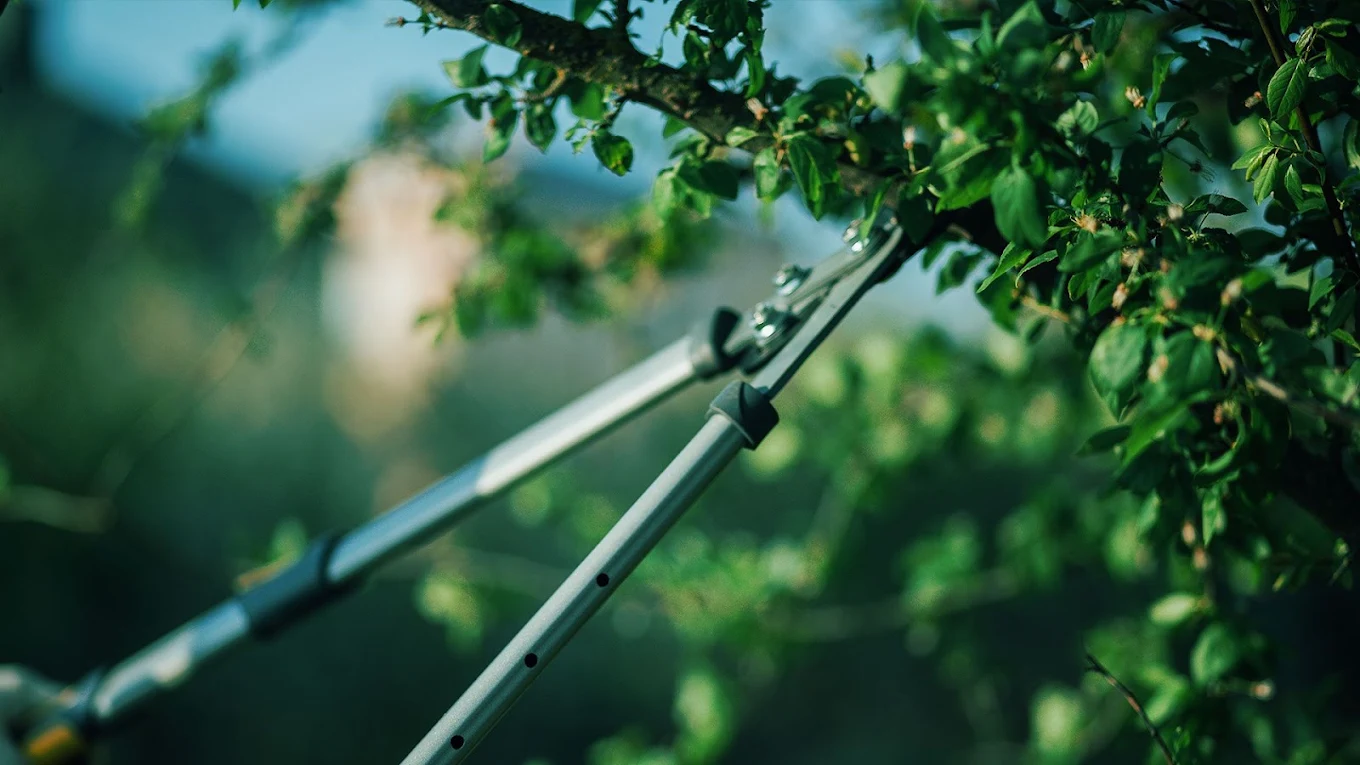
Not every tree problem should wait until winter.
You should consider prompt professional attention when you notice:
- Large dead branches
- Broken or hanging limbs
- Storm-damaged branches
- Branches resting against structures
- Cracked or unstable limbs
- Branches creating safety hazards
- Significant disease or decay
A damaged limb can fall without much warning, especially during strong winds or severe weather.
If a branch threatens your house, driveway, vehicles, utility areas, or people walking below it, delaying removal simply because it is not the ideal pruning season may create unnecessary risk.
How Often Should Trees Be Trimmed?
There is no fixed schedule for every tree.
How often trimming is needed depends on factors such as:
- Tree species
- Age
- Growth rate
- Health
- Location
- Previous storm damage
- Branch structure
- Distance from buildings
Young trees may require structural pruning as they develop, while mature trees may need periodic removal of dead, weak, or hazardous branches.
Regular visual inspections can help property owners identify concerns before they turn into larger problems. If you are unsure whether pruning is necessary, a professional tree service can evaluate the tree and recommend the right approach.
Frequently Asked Questions About Tree Trimming
Is Winter the Best Time to Trim Trees?
For many trees, yes. Dormant-season pruning during late winter can make branch structure easier to inspect and allows trimming before significant spring growth begins. However, the ideal timing still depends on the species and condition of the tree.
Can You Trim Trees During Summer?
Yes. Light or corrective summer trimming may be appropriate for damaged, dead, or hazardous branches. Major pruning should be evaluated carefully because trees are actively growing during summer.
What Is the Difference Between Tree Trimming and Pruning?
Tree trimming often focuses on managing overgrowth, appearance, and clearance. Tree pruning usually focuses more specifically on tree health, structure, and removing unhealthy or damaged branches. In professional tree care, the terms are sometimes used together.
Can Dead Branches Be Removed at Any Time?
Yes. Dead, broken, or hazardous branches can generally be removed when they are discovered. If a branch poses an immediate safety risk, it is usually better to address the problem rather than wait for a particular season.
Schedule Professional Tree Trimming With Martin Outdoors LLC
Knowing the best time to prune trees can help protect their health, but every tree and property is different. Species, age, storm exposure, structural problems, and nearby buildings can all affect the right trimming schedule.
With more than 40 years of combined experience, Martin Outdoors LLC provides professional tree care for residential and commercial properties in Cape Girardeau and surrounding communities. Whether you need routine maintenance, damaged branch removal, or help determining the right time to trim your trees, the team can evaluate your property and recommend an appropriate solution.
Contact Martin Outdoors LLC today for a free estimate.
- Call: (573) 579-8945
- Email: martin_outdoors@outlook.com
- Address: Cape Girardeau, MO 63701
- Business Hours: Monday–Friday, 6 AM–6 PM; emergency service available.
Keep your trees healthier, safer, and better maintained with dependable professional tree trimming in Cape Girardeau, MO.