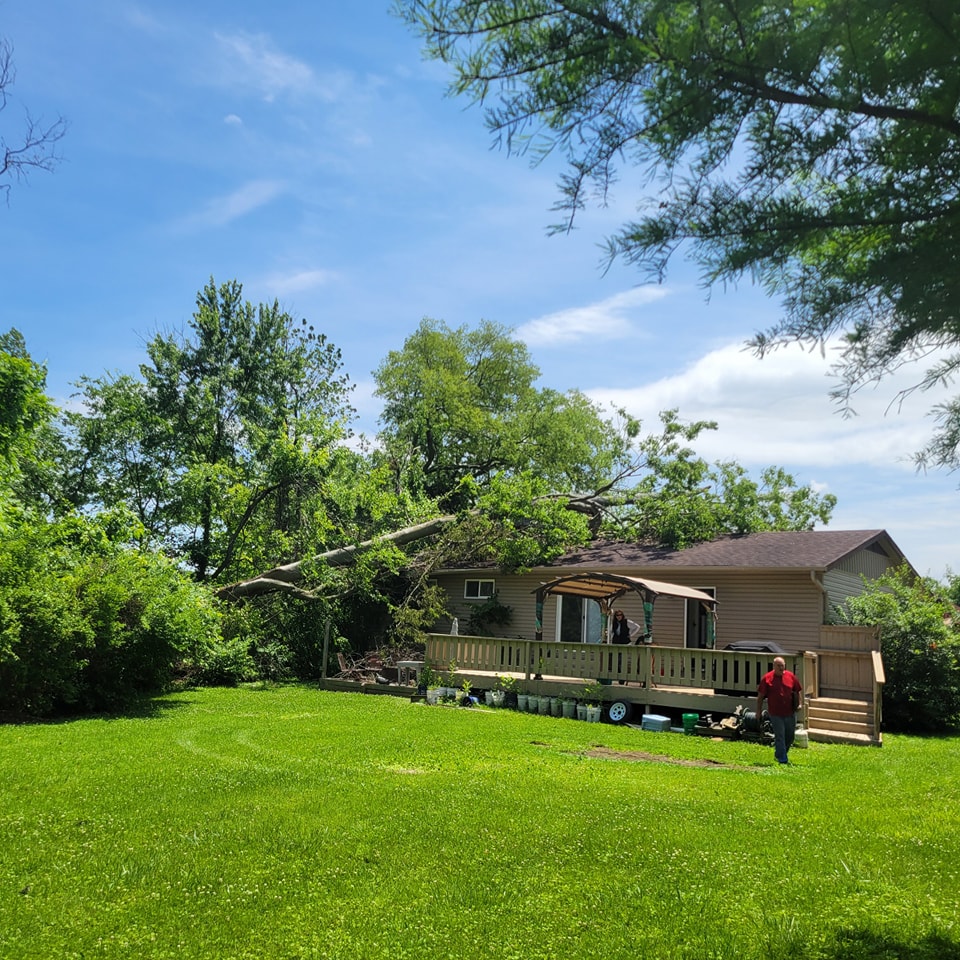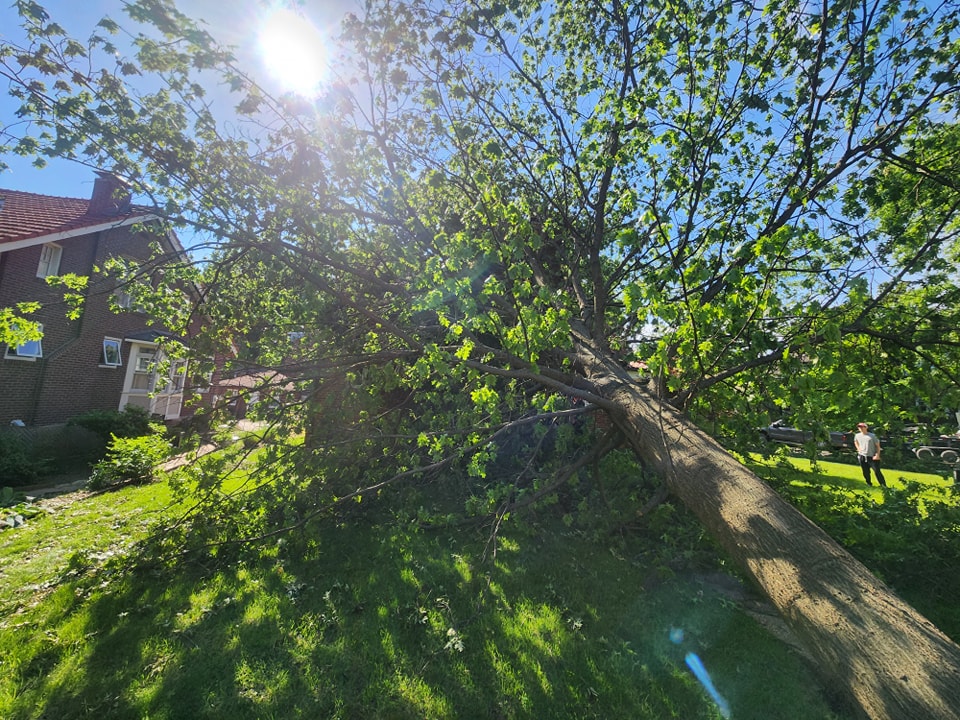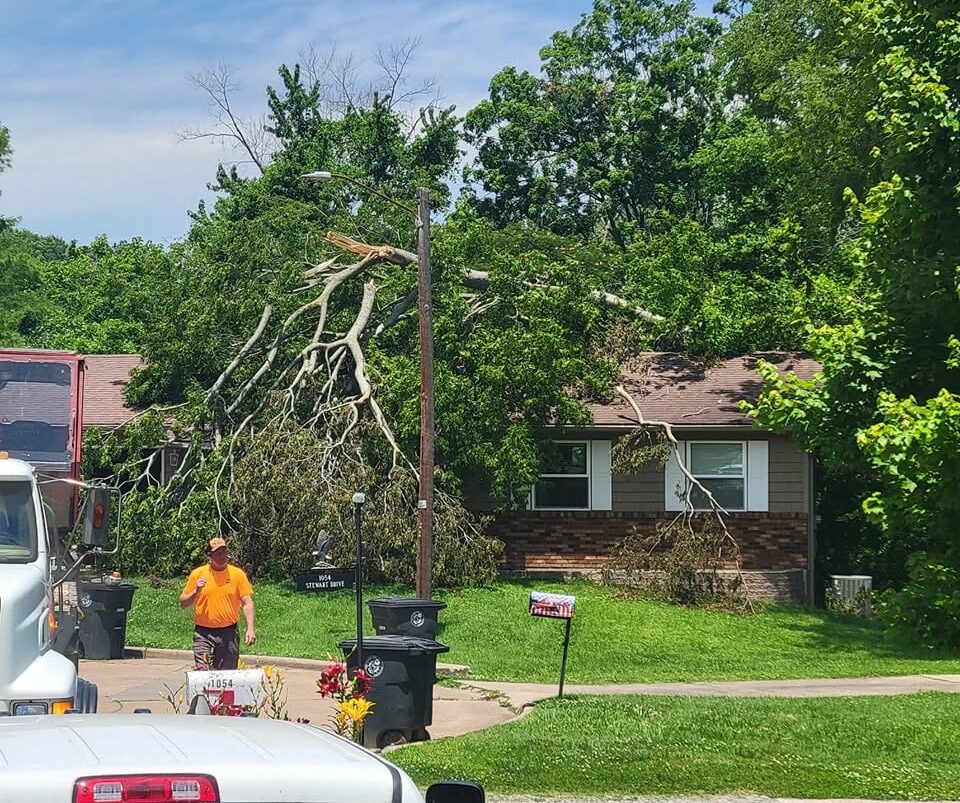
How Much Does Tree Removal Cost in Cape Girardeau, MO?
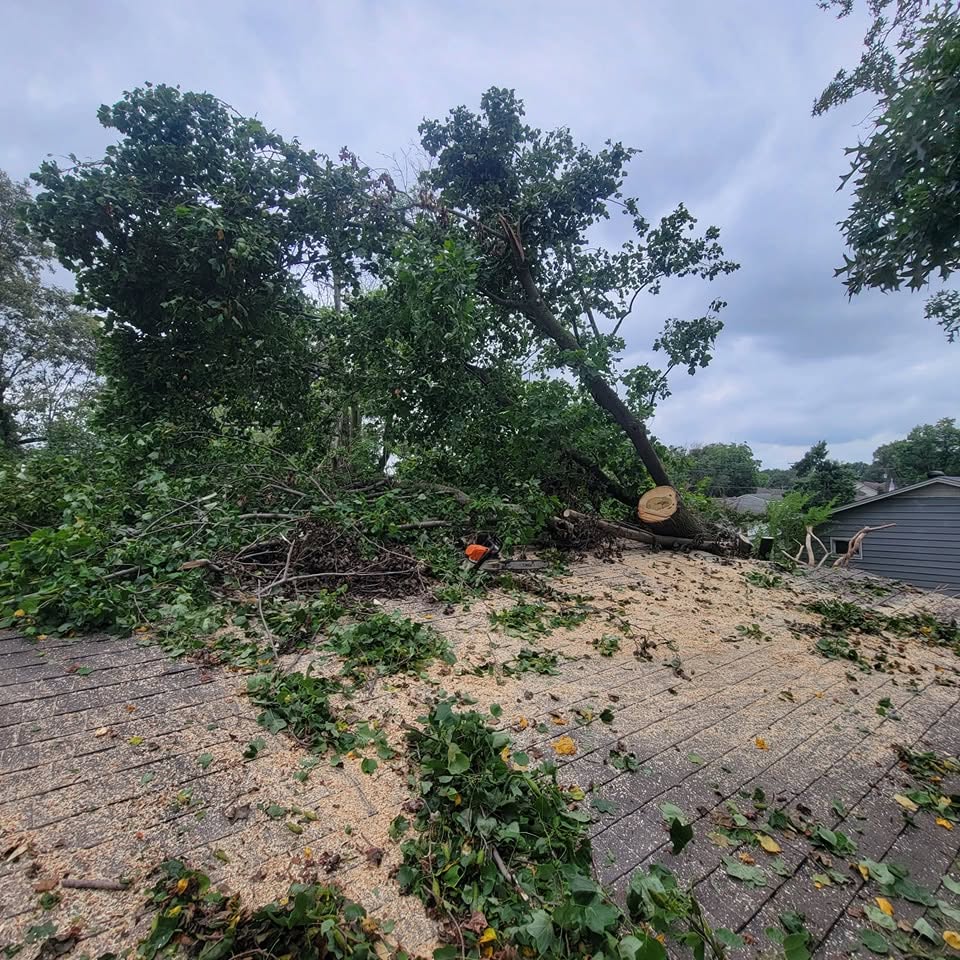
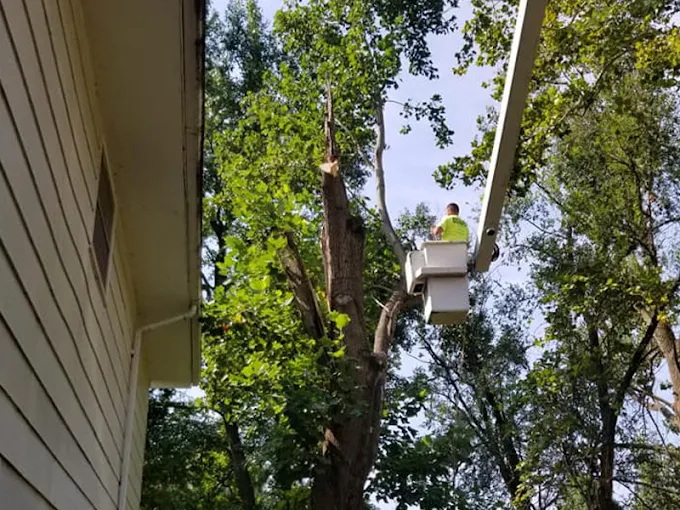
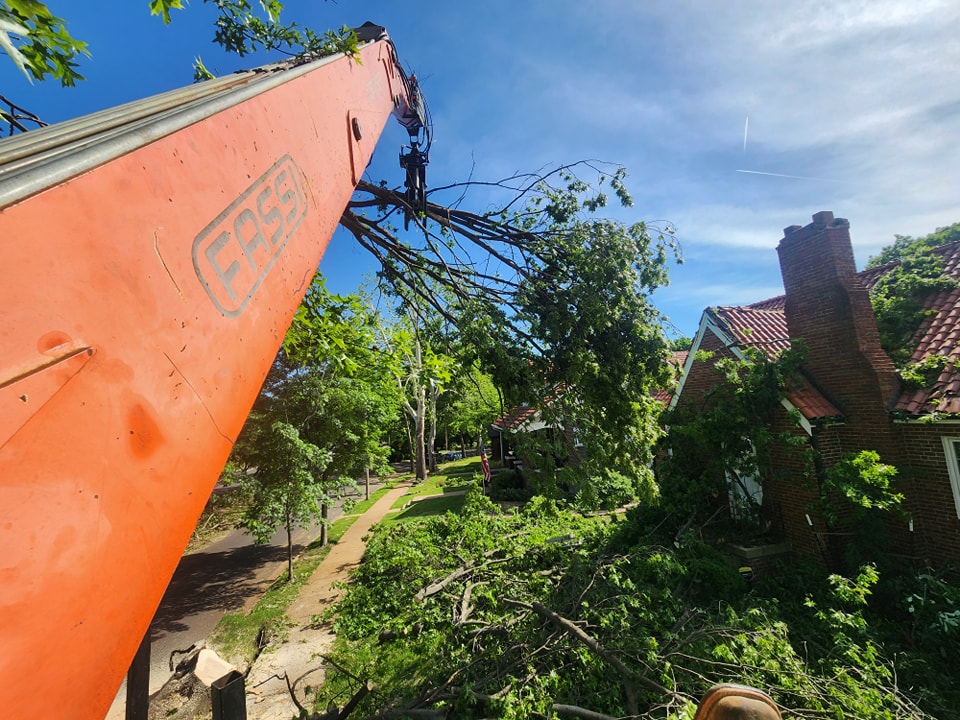
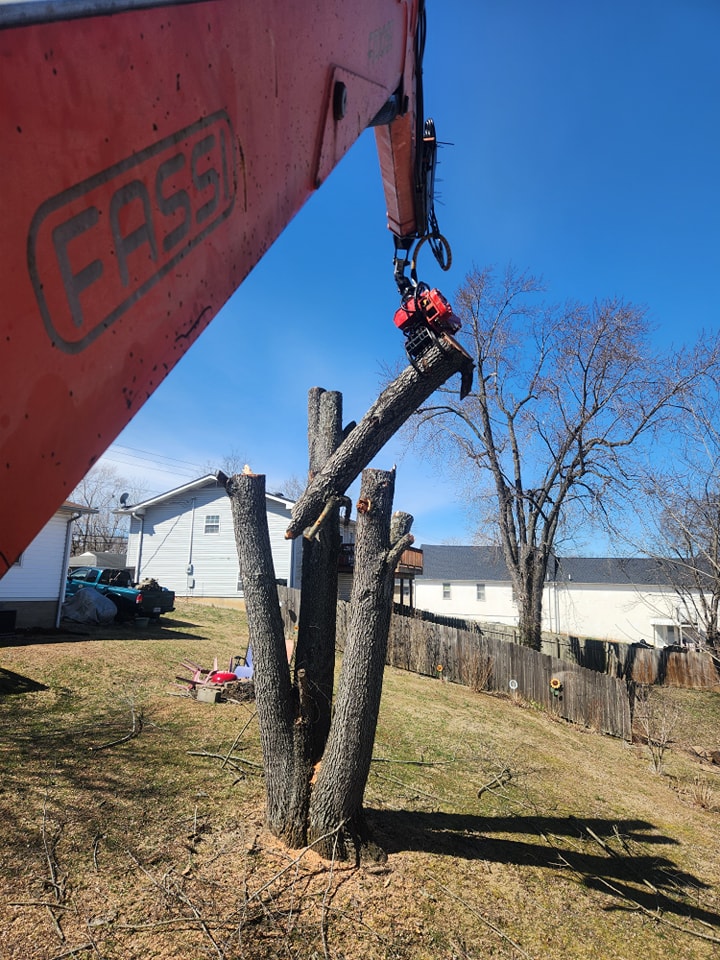
Removing an unwanted or hazardous tree is rarely a flat-price project. The tree removal cost in Cape Girardeau, MO depends on the tree’s size, condition, location, accessibility, and the equipment required to complete the work safely. A small tree in an open yard usually costs less than a mature tree leaning over a roof, fence, or utility line. An on-site evaluation is more reliable than a photo-based price. Martin Tree Service provides tree removal, crane-assisted removal, and emergency service for residential and commercial properties in Cape Girardeau and surrounding communities. The company promotes free estimates and more than 40 years of combined experience. What Is the Average Tree Removal Cost in Cape Girardeau, MO? Current national pricing guides place many standard projects between about $400 and $1,200. Small, accessible trees may start near $200, while large or complex removals may reach $3,000 or more. Angi reports an average near $750, while HomeGuide reports about $850. These are planning figures—not official Martin Tree Service rates or guaranteed Cape Girardeau prices. Tree size General planning range Small tree under 30 feet $200–$500 Medium tree, 30–60 feet $450–$1,500 Large tree, 60–80 feet $800–$2,000 Extra-large or complex tree $1,200–$3,000+ The final quote may fall outside these ranges when a tree is unstable, difficult to reach, close to structures, or requires a crane. An inspection is the best way to establish the actual cost to remove a tree. What Factors Affect Tree Removal Prices? Tree height matters, but contractors also consider trunk diameter, structural condition, access, nearby hazards, equipment needs, labor, cleanup, and disposal. Tree Height and Trunk Diameter Taller trees generally require more climbing, rigging, cutting, and controlled lowering. A wide trunk also adds weight and cutting time. Two trees of similar height can therefore have different prices if one has a much thicker trunk or heavier branching structure. Large trees are often dismantled in sections instead of dropped in one piece. This requires more planning but helps reduce risk to roofs, vehicles, fences, and nearby buildings. Height and size are major pricing factors. Tree Condition and Safety Risk A dead, hollow, cracked, storm-damaged, or severely leaning tree can be unpredictable. Brittle limbs may break without warning, and a weakened trunk may not safely support a climber. Conditions that can raise the price include: A split or rapidly leaning trunk Large dead or hanging branches Hollow areas, cracks, or advanced decay Storm damage or exposed roots A tree resting against another structure Martin Tree Service advises property owners to seek help when a tree appears hollow, shows severe trunk damage, develops fungal growth, has insect activity, or begins leaning. Location and Accessibility A tree in an open area is usually easier to remove than one squeezed between a house and fence. Costs may increase when crews cannot position equipment close to the tree, must carry debris a long distance, or need to protect nearby structures. Access may be more complicated when: A narrow gate prevents equipment entry The tree stands beside a house, pool, garage, or fence The ground is steep, soft, or uneven Branches extend over a road, driveway, or utility line These conditions can require more rigging, extra workers, smaller controlled cuts, or specialized machinery. Accessibility and proximity to structures are major cost factors. Equipment and Crew Requirements Some trees can be removed with standard climbing gear, ropes, and a chipper. Others may require a bucket truck, loader, crane, or larger crew. Crane-assisted tree removal is often used for oversized, unstable, storm-damaged, or hard-to-reach trees. Martin Tree Service offers crane services for trees near homes, power lines, driveways, and commercial buildings, as well as tight-access and emergency projects. Why Costs Vary Across Cape Girardeau Properties Cape Girardeau work sites can differ significantly. An open lot may allow direct equipment access, while a compact backyard may require piece-by-piece removal. Fences, sheds, overhead lines, narrow driveways, neighboring structures, and active commercial areas can all change the plan. A local estimate should therefore evaluate the entire work zone, not only the tree’s height. Does Tree Removal Include Stump Grinding and Cleanup? Not every tree removal quote includes the same services. Some companies quote only for cutting the tree down, while others include chipping, log removal, debris hauling, and final cleanup. Before accepting an estimate, ask whether it includes: Cutting and dismantling the tree Chipping branches and hauling debris Removing or leaving large logs Stump grinding or stump removal Filling the stump hole and cleaning the area Stump work is frequently priced separately because it requires different equipment. National guides also treat debris disposal and stump grinding as potential additional expenses. A written estimate should identify what stays, what is removed, and what costs extra. Why Does Emergency Tree Removal Cost More? Emergency work may cost more because the crew must respond quickly and may need to work outside normal hours or around unstable conditions. A fallen tree on a roof, a blocked driveway, a hanging limb over an occupied area, or a tree leaning toward a utility line can require immediate action. Current pricing guides note that urgent or same-day removal can carry a significant premium, especially when structures, roads, or power lines are involved. Martin Tree Service lists regular hours from 6:00 a.m. to 6:00 p.m., Monday through Friday, and 24-hour emergency services on Saturday and Sunday. Confirm current availability when calling. Never approach a fallen tree touching a power line. Keep people away and contact the utility provider or emergency authorities. Does Homeowners Insurance Cover Tree Removal? Insurance may cover removal when a tree falls because of a covered event and damages an insured structure. Preventive removal, neglected trees, and trees that fall without damaging covered property may be treated differently. Coverage depends on the policy, cause of loss, deductible, and circumstances. Photograph damage when safe and ask your insurer about the specific claim before authorizing non-emergency work. How Can You Get an Accurate Tree Removal Estimate? Use these steps when requesting a free tree removal estimate: Describe the tree’s approximate height,